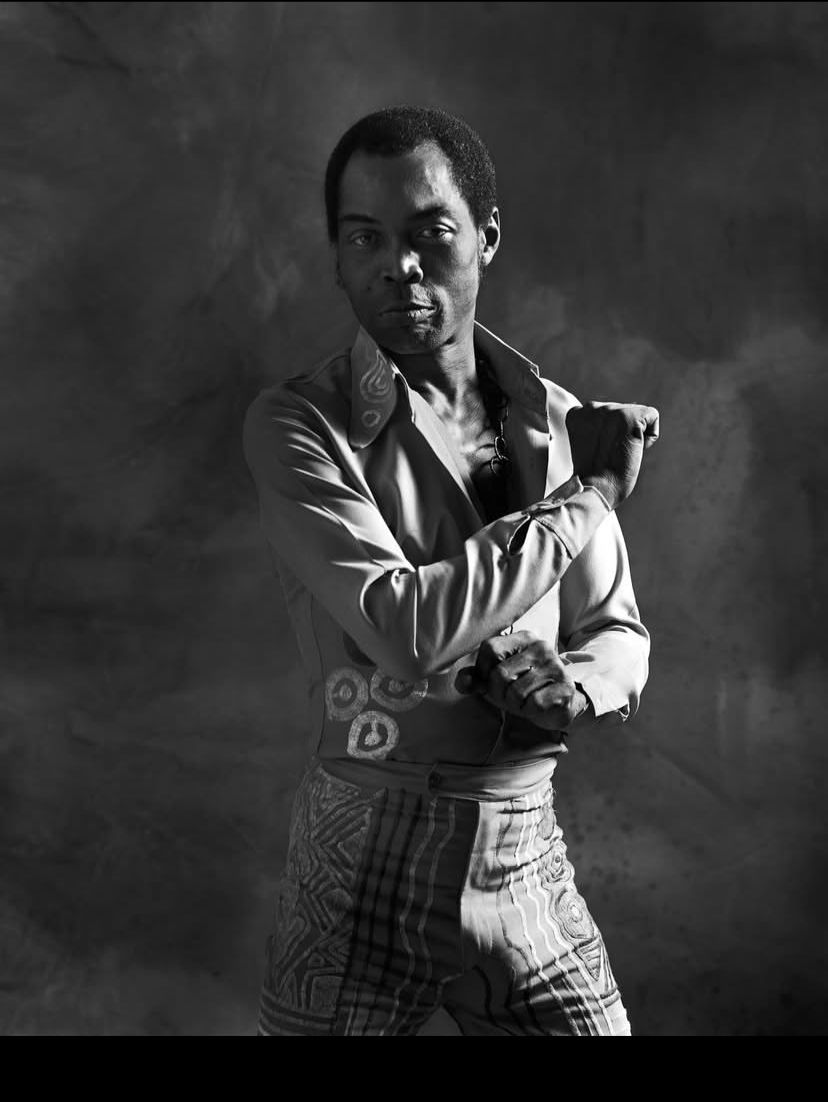
Fela Kuti’s Afrobeat: A Timeless Soundtrack of Resistance and Renewal
When it comes to musical immortality, few figures stand as tall as Fela Kuti. Decades after his most active years, his music remains just as urgent and resonant as it was over 40 years ago.
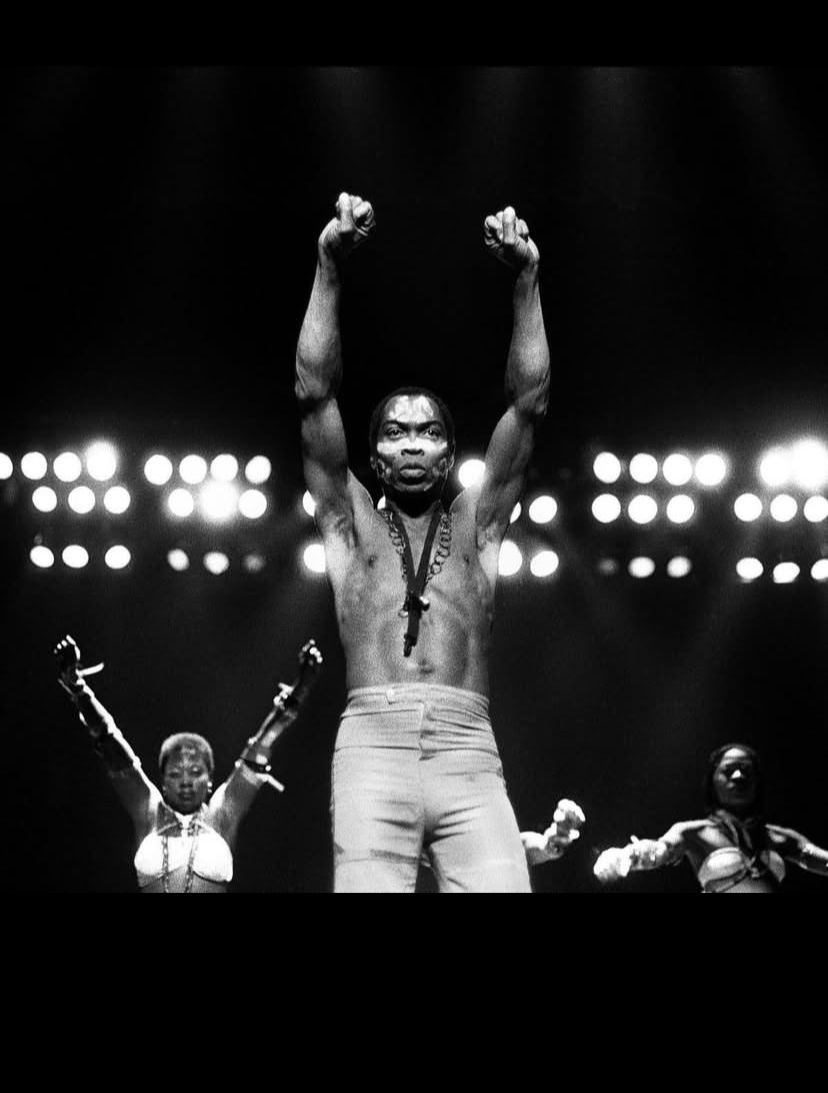
Born Fela Anikulapo Kuti, he was destined for an extraordinary path. In his autobiography, Fela: This Bitch of a Life, written by Carlos Moore, Fela reflected that from birth he was determined to live freely and dedicate himself to the liberation of his people. That unwavering commitment to self-determination and justice became the foundation of a legacy that continues to transcend generations.
At the Grammy Awards, African music celebrated a landmark moment as Fela was posthumously honored with the Lifetime Achievement Award — the first African artist to receive the distinction. On the same stage, contemporary Nigerian stars were nominated in the Best African Music Performance category, symbolizing the bridge between Afrobeat’s origins and its global present.
Fela was never simply an entertainer. He was a cultural insurgent who fused art with activism. Drawing from Jazz and Funk influences he encountered in the United States, he merged them with African percussion, indigenous languages, and spiritual themes to forge Afrobeat — a genre that became a sonic weapon against injustice at home and abroad.
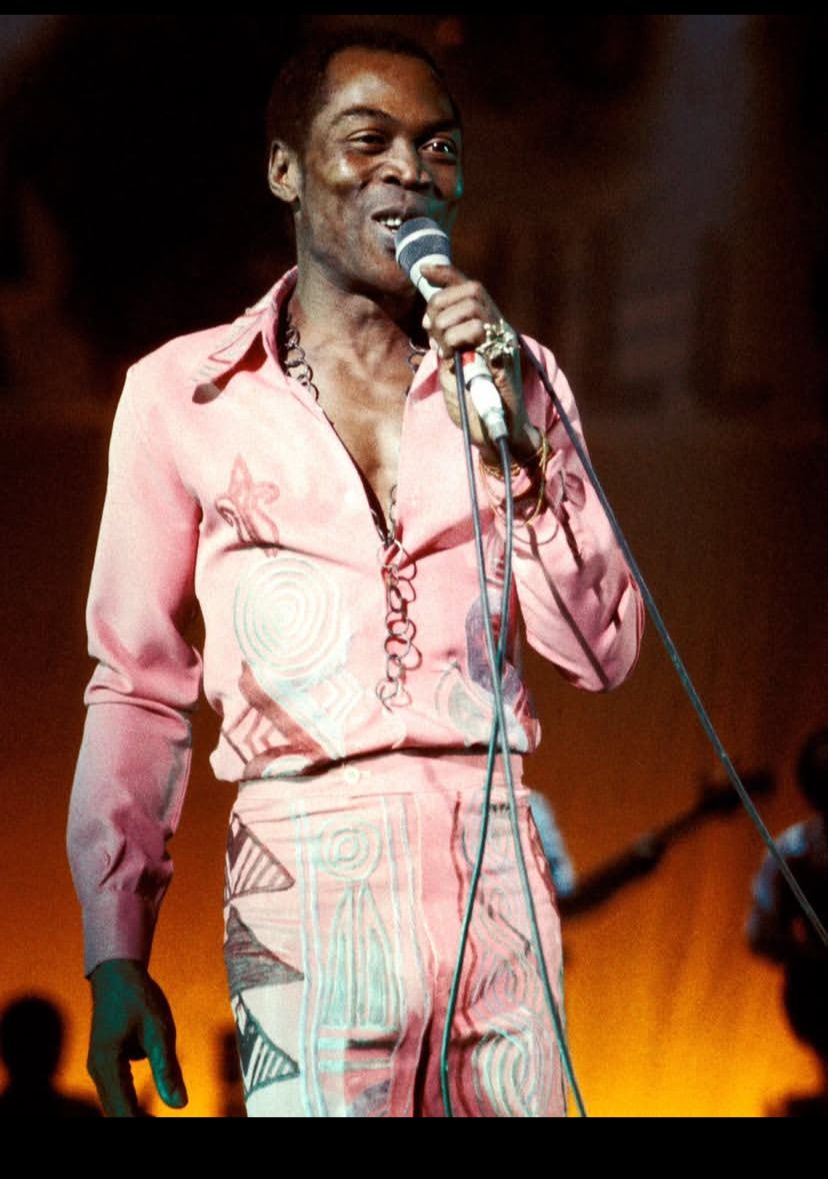
Across more than 60 albums, Fela chronicled the political and social climate of his time. His records entertained, inspired hope, and directly confronted authority. Even today, his songs remain strikingly relevant to Nigeria’s sociopolitical climate and broader global issues.
Tracks such as Lady, Zombie, Water No Get Enemy, I.T.T, Shakara, Gentleman, and Sorrow, Tears, and Blood showcase the depth of his artistry and intellect. Remarkably, these songs continue to connect with younger audiences, reinforcing the enduring relevance of his message nearly three decades after his passing.
Yet Fela’s influence stretched beyond the studio. He embodied the revolution he sang about. As detailed in his autobiography, he was arrested and tried more than 200 times. Each detention strengthened his resolve rather than weakening it. His commune, the Kalakuta Republic — also known as the Afrika Shrine — became a sanctuary for society’s marginalized, reflecting his decision to reject privilege in favor of purpose.
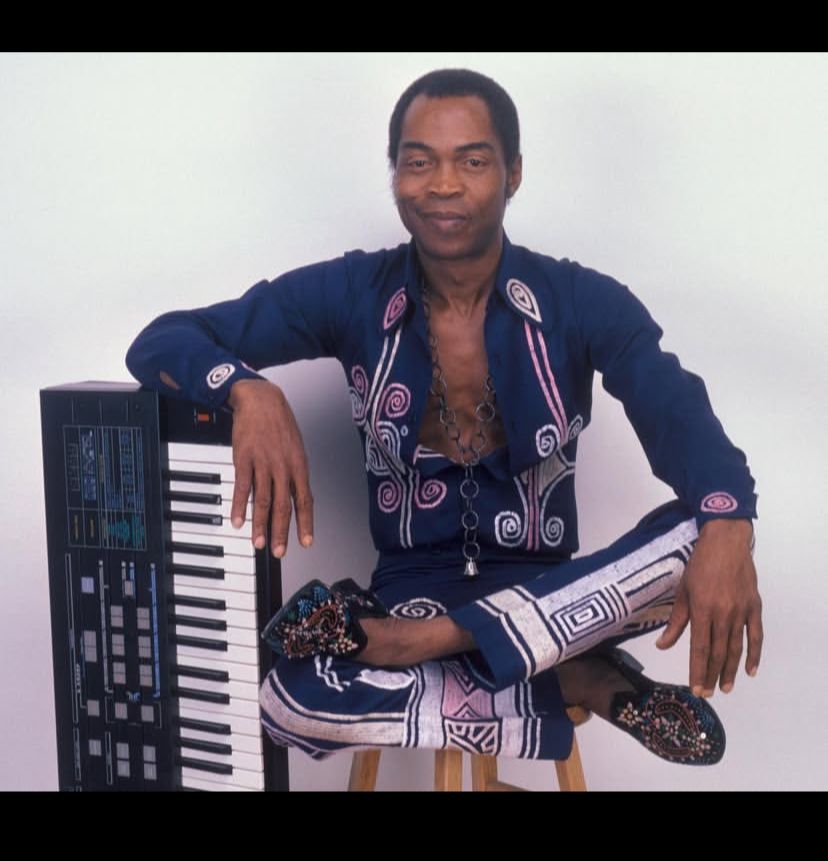
Afrobeat itself lives on vibrantly. Fela’s sons, Femi Kuti and Seun Kuti, along with his grandson Made Kuti, have carried the torch forward, earning Grammy nominations and introducing the genre to new audiences. Beyond his family, the global rise of Nigerian pop — widely referred to as “Afrobeats” — draws its name and foundational spirit from the Afrobeat movement he pioneered over five decades ago.
Today’s Nigerian superstars frequently acknowledge Fela as a guiding influence. His impact extends far beyond music charts; it is etched into the cultural and political consciousness of Africa and the wider world. Fela Kuti’s Afrobeat is not confined to the past — it continues to shape the present and will undoubtedly echo into the future.


Comments
Axel Bouaziz 5 Aug 2018
Sed ut perspiciatis unde omnis iste natus error sit voluptatem accusantium doloremque laudantium, totam rem aperiam, eaque ipsa quae ab illo inventore veritatis et quasi architecto beatae vitae dicta sunt explicabo.
ReplyMegan Fox 28 July 2018
Sed ut perspiciatis unde omnis iste natus error sit voluptatem accusantium doloremque laudantium, totam rem aperiam, eaque ipsa quae ab illo inventore veritatis et quasi architecto beatae vitae dicta sunt explicabo.
ReplyMostafa Wahba 10 July 2018
Sed ut perspiciatis unde omnis iste natus error sit voluptatem accusantium doloremque laudantium, totam rem aperiam, eaque ipsa quae ab illo inventore veritatis et quasi architecto beatae vitae dicta sunt explicabo.
ReplyZach Roszczewski 15 Jun 2018
Doloremque laudantium, totam rem aperiam, eaque ipsa quae ab illo inventore veritatis et quasi architecto beatae vitae dicta sunt explicabo.
Reply